Six tomato plants. That's what fits on the railing of a typical 4-square-metre balcony if you lay pots out flat. The same railing, pointed upward, holds twenty-two. That ratio is the whole reason I stopped treating my balcony as a floor and started treating it as a wall.
Vertical gardening for urban homes isn't a trend anymore. It's what you do when you have more ambition than square metres and a landlord who doesn't want holes in the render. But most of the advice out there stops at "buy a trellis." That's the easy part. The difficulty is figuring out what grows well when the light comes sideways, what survives a south-facing wall in August, and how much weight a cheap balcony can actually hold before you find out the hard way.
Key takeaways
- Going vertical doesn't multiply your space, it multiplies your usable surface — and that changes what you can grow.
- Plant choice matters far more than the structure. A bad wall with the right plants beats a beautiful wall with the wrong ones.
- The 70/30 rule is the single most useful ratio for anyone planting in containers, vertical or not.
- Vertical gardens dry out 2 to 3 times faster than ground beds. Irrigation isn't optional, it's the whole game.
- Renters can build a full vertical setup without drilling a single hole.
- The downsides are real: weight, water, and neighbours. Plan for all three before you buy anything.
Vertical gardening ideas that actually work in urban homes
Most vertical garden ideas fail the same way: someone mounts a gorgeous cedar trellis, plants a climbing plant that gets too heavy or too thirsty, and by late July the whole thing looks like a crime scene. The structure was never the problem.
Here's what I've learned after building four of these — two on a rental balcony, one on a courtyard wall, one that I took down after six weeks because it was a mistake.
Match the idea to your light, not your Pinterest board
A wall that faces east gets gentle morning sun and shade in the afternoon. Almost everything is happy there. A wall facing south or west, especially one that catches reflected heat off brick or glass, becomes a small oven by early afternoon. That's where most beginner vertical gardens die.
If you're working with a hot, exposed wall, your realistic options are herbs that evolved in the Mediterranean — rosemary, thyme, oregano, lavender — plus succulents and a few tough flowering plants. If your wall is shaded all day, forget tomatoes and peppers. Go for lettuce, spinach, chard, mint, and ferns. Light is the constraint you cannot design around; everything else you can.
The four structures worth building
Pocket planters are the simplest entry point: a felt or fabric panel with rows of pouches, screwed or hooked to a wall. They're cheap, light, and they dry out fast. Good for herbs and greens. Bad for anything with a deep root.
Trellis-and-container systems are what I'd recommend to most people. You keep real pots on the ground or on a shelf, and the trellis just gives the plant somewhere to climb. The root volume stays generous, which means the plant stays healthy. Beans, cucumbers, small tomatoes, and peas all thrive this way.
Gutter or pipe systems are horizontal rows stacked vertically. They work beautifully for lettuce and strawberries, and they're the classic school-project option because they're visible and modular. The catch is drainage — you need each row to drain into the row below or into a tray, or you'll flood your neighbour's balcony.
Freestanding tower planters are the renter's answer. No drilling, no landlord conversation, no deposit at risk. They're heavier than they look once watered, so put them where they won't tip in wind.
A comparison worth printing out
Here's how the four systems stack up on the things that actually matter in a city apartment.
| System | Weight when watered | Watering frequency | Best for | Renter-friendly |
|---|---|---|---|---|
| Pocket panel | Light (10–20 kg per m²) | Daily in summer | Herbs, lettuce | Yes, with hooks |
| Pots + trellis | Heavy (30–60 kg per pot) | Every 2–3 days | Tomatoes, beans, cucumbers | Yes, freestanding |
| Gutter rows | Moderate (15–25 kg per row) | Daily | Strawberries, greens | Only if wall-mounted with brackets |
| Tower planter | Heavy (40–80 kg filled) | Every 2 days | Mixed herbs and flowers | Yes |
Those weights aren't theoretical. I've weighed my own pots after a heavy watering, and a 30-litre container with a mature tomato plant came in at just over 48 kilograms. On a balcony rated for light residential load, that's fine — until you put four of them along the same edge.
What plants work well in a vertical garden?
The honest answer is: fewer than you'd think, and the ones that do work, work extremely well. Vertical growing changes three things about a plant's life — root depth, water availability, and airflow. Anything that tolerates shallow roots and frequent drying will do fine.
Here's my shortlist, tested over several seasons:
- Herbs: basil, mint, parsley, chives, thyme, oregano. Almost foolproof.
- Leafy greens: lettuce, rocket, spinach, chard, kale. Fast, forgiving, and you can harvest repeatedly.
- Fruiting vegetables: cherry tomatoes, climbing beans, peas, cucumbers, chillies. All need deep containers and consistent water.
- Strawberries. Unreasonably good in gutters and pockets, though birds find them before you do.
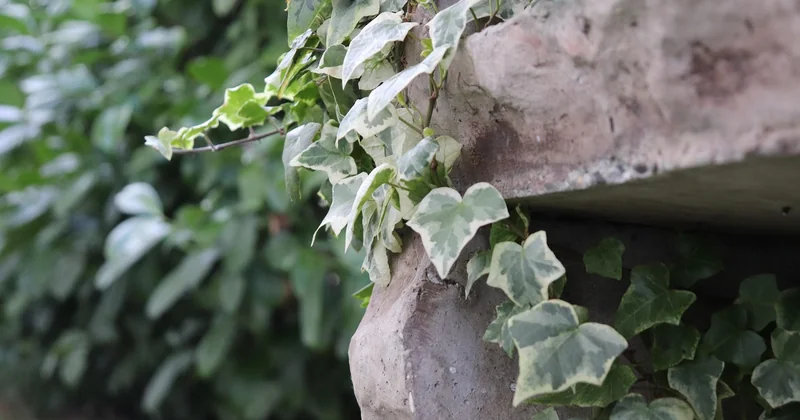
- Trailing ornamentals: ivy, trailing lobelia, nasturtium, succulents.
What to avoid: anything with a big taproot (carrots, parsnips), anything that needs serious root space (pumpkins, full-size melons), and corn. I tried corn on a vertical system once. It grew. It produced nothing. That was a lesson I paid for in compost.
What is the 70/30 rule in gardening?
The 70/30 rule is a simple guideline for container and vertical growing: aim for roughly 70% growing medium and 30% drainage and air space in any pot or pocket. In practice, that means your mix shouldn't be pure compost or pure soil — it should be light, open, and capable of letting water pass through rather than pooling.
Why it matters so much in vertical gardens: gravity pulls water straight down through a shallow pocket in seconds. If the medium compacts, water channels past the roots and out the bottom. If it holds too much, roots rot because there's no air. The 70/30 split keeps both problems in check.
You'll see the same ratio quoted for other things — fertiliser blends, crop rotation, even soil-to-compost mixes — but for vertical gardening the drainage interpretation is the one that saves plants. I mixed my own medium at roughly 70% compost-based potting mix and 30% perlite plus coarse bark for two seasons. Root health improved noticeably, and I stopped losing plants to summer rot.
The downsides nobody mentions
Every article about vertical gardens sells you the dream. Here's what the leaflets leave out, from a man who has cleaned up after all three of these problems.
What are the downsides of having a vertical garden?
Watering is the biggest one. A vertical garden dries out two to three times faster than a ground bed, because every pocket is exposed to air on multiple sides. In peak summer, my balcony panels needed water twice a day. Miss one hot afternoon and you'll lose seedlings you spent weeks raising.
Weight is the second. Wet soil is heavy — much heavier than people expect — and when that weight is concentrated along one wall or one balcony edge, you're stressing the structure in the exact place it's least designed for it. If you're renting or in an older building, spread the load and use lightweight medium.
The third downside is the one nobody talks about: maintenance creep. Vertical gardens are visible from every angle. Every dead leaf, every leggy stem, every bit of algae on a drip tray lives at eye level. What would be invisible in a ground bed becomes a permanent feature of your wall.
And then there's the human side. Neighbours below you, balcony rules, strata or building management restrictions, and the general problem that water drips. A tray under every row, or a planter with a built-in reservoir, saves you an awkward conversation.
The cost nobody budgets for
A pocket panel costs almost nothing. But the real cost of vertical gardening is water, medium, and time — recurring, not one-off. I spent roughly €60 on medium and fertiliser in my first season alone, on a setup that cost me €90 to install. The structure was the cheap part.
Creative vertical gardening ideas for small urban spaces
If you're working with a balcony, a window ledge, a fire escape, or a courtyard wall, here are the ideas that have held up in practice.
What are some creative vertical gardening ideas?
A pallet wall is the classic. A wooden pallet stood on its side, lined with fabric, filled with pockets of medium, becomes a full herb wall in one afternoon. Make sure the pallet is heat-treated, not chemically treated — you'll see an "HT" stamp on the wood.
A bean tipi is what I'd build if I had a sunny corner and a bit of patience. Three or four bamboo canes tied at the top, climbing beans at the base, and by mid-summer you have a green cone that produces food and shade simultaneously.
A window-ledge rail is the most underrated option for apartments with no outdoor space at all. A bracket-mounted rail across a south-facing kitchen window holds a row of small pots for herbs. It's the only way I got basil to survive in a flat with no balcony.
A shoebag planter is the renter's cheat code. A fabric shoe organiser hung on a hook takes twelve small pockets of herbs or flowers, weighs almost nothing, and comes down in ten seconds when you move out.
An arched trellis over a doorway works if you have a courtyard or a garden path. It's the most decorative option and the one most likely to make visitors stop and ask what you did.
What does this look like in practice?
My current setup is a freestanding tower for herbs, a trellis-and-pot system for tomatoes and beans, and a gutter row for strawberries. Total footprint: about 1.5 square metres of floor. Total growing surface: closer to 5 square metres. That ratio — roughly three-to-one — is what vertical gardening actually buys you, and it's why I keep recommending it to people who think their space is too small.
It isn't. It's just flat.
Quick answers to a few things people ask me
Can I grow vegetables vertically on a north-facing balcony? Leafy greens, yes. Fruiting vegetables, no — they need real sun to set fruit. Don't fight it.
Do vertical gardens attract pests? They attract the same pests as any garden. Airflow is better up high, which helps with mildew, but spider mites love dry vertical conditions.
How often should I water? Check daily in summer. If the top 2 centimetres of medium feel dry, water. In vertical systems, that's usually every day.
The best vertical garden isn't the one that looks best in a photo. It's the one that's still alive in September, when the novelty has worn off and you're tired of carrying a watering can up a flight of stairs. Build for that version of yourself, and the rest takes care of itself.