Two years ago, my wife and I put our house on the market in late October. Three weeks in, we had eleven showings and zero offers. Our real estate agent, a blunt woman named Martine who had sold homes in our neighbourhood for nineteen years, walked through the living room, stopped in front of the bookshelf, and said: "Buyers aren't rejecting your house. They're rejecting your life."
That sentence cost us nothing and saved us the listing. We pulled the house off the market, spent eleven days and roughly €1,400 restaging it, relisted in January, and had two offers in the first weekend. Same square footage. Same street. Same plumbing. The only variable that changed was what a stranger saw when they walked through the front door.
Staging is not decoration. It is the deliberate removal of every reason a buyer might hesitate, and it works because buyers decide emotionally in the first ninety seconds and then spend the rest of the visit looking for facts to justify what they already feel.
Key Takeaways
- Staging is a de-personalisation and de-cluttering exercise first, and a furniture-arrangement exercise second.
- You can stage a house for under €500 if you focus on light, smell, and negative space rather than buying new things.
- The seasonal timing of your listing matters as much as the staging itself, and staging should adapt to the month.
- The "3-3-3 rule" you may have heard about is a pricing and pacing heuristic, not a staging law — but it does shape how long your staging needs to hold up.
- Living in the home while it is staged is possible, but it requires a discipline most sellers underestimate.
How to stage your home to sell faster
Here's the thing nobody tells you before your first showing: buyers do not tour your home. They tour a version of your home that exists only in their imagination, and your job is to make that imaginary version as frictionless as possible.
Martine's walkthrough taught me the order of operations matters more than the budget. Most sellers start by buying things — a plant, a throw, a set of cushions. Wrong order. You start by taking things away, and only then do you decide what, if anything, needs to be added.
The subtraction pass comes first
Walk into each room holding a laundry basket. Anything that is yours rather than the house's goes in the basket: family photos, fridge magnets, diplomas, the collection of ceramic birds your mother-in-law gave you, the stack of unread magazines by the sofa. Put the basket in the garage. Not the attic — the garage, where you can retrieve it after the sale without climbing a ladder.
I'll be honest: the first time I did this, I felt ridiculous. Our living room suddenly looked like a furniture showroom, which is exactly the point. A buyer walking into a showroom sees possibilities. A buyer walking into your living room sees your Tuesday evenings.
Light and smell do more than furniture
Two cheap interventions outperform almost anything you can buy. First, replace every bulb in the house with the same warm-white temperature — mismatched bulb colours make a home feel improvised, and it reads as "maintenance deferred." Second, open every curtain and blind before a showing, even in rooms you never use.
Smell is the one buyers never mention and always register. Cook nothing strong for forty-eight hours before a viewing. No plug-in air fresheners either; they scream "covering something up." If you need a scent, fresh coffee brewed thirty minutes before arrival works, and it works because it is a real smell rather than a manufactured one.
Which rooms actually matter
Not all rooms carry equal weight, and spreading your effort evenly is a mistake I made on our first attempt. Buyers form their judgement in four zones:
- The entry — coat hooks empty, shoes gone, a single mirror if the hallway is dark.
- The living room — seating arranged to face each other rather than the television, which signals conversation rather than screen time.
- The kitchen — counters cleared to nothing except one bowl or one board, because empty counter space is the single strongest proxy for storage that buyers have.
- The primary bedroom — beds made with plain white linen, no exception, no debate.
Bathrooms and hallways matter less than sellers think, and the garden matters more than sellers think in spring and summer. The one room I would not spend a cent on is a basement or garage you intend to leave in its current state anyway — unless it looks damp, in which case fix the damp and stop there.
What is the 3-3-3 rule in real estate?
The 3-3-3 rule is a pacing and pricing heuristic, not an official standard, and you should treat it as a rule of thumb rather than a law of physics. The version most commonly cited runs like this: price your home within 3% of comparable sales, expect the strongest buyer interest in the first three weeks of listing, and consider a price adjustment if you have no offer after three months.

Where it connects to staging is the middle three. The first three weeks are when your listing gets its maximum exposure — every buyer actively searching in your area will see it, and they will see it once. If the photos are weak or the rooms are cluttered, that single pass is all you get, and no amount of later restaging brings back a buyer who has already swiped past.
Practically, this means staging must be finished before the photographer arrives, not before the first viewing. I have watched sellers stage a house beautifully and then hand the photographer a phone snapshot from a week earlier. The listing image is your audition. Everything else is callbacks.
Does staging a home make it sell faster?
In my experience, yes — but the effect is smaller and more specific than the staging industry likes to admit, and it depends almost entirely on how badly the home was presented before.

A house that was already clean, bright, and sparsely furnished gains very little from professional staging. A house that was cluttered, dark, or oddly arranged gains a great deal, because the staging is not adding value so much as removing a discount that buyers were applying unconsciously. When we relisted, the feedback from the two buyers who made offers was nearly identical: both said the house "felt bigger" than the listing photos suggested. Nothing about the house had grown. We had simply removed about forty percent of the contents.
The pros and cons of staging a house for sale
The case against staging is real and worth stating plainly. It costs money up front, it takes time you may not have, and if you are living in the property, it makes your own home feel like a hotel you are not allowed to enjoy. Renting furniture for an empty house can run into several thousand euros for a three-month listing, and if the house does not sell in that window, you pay again.
The case for it is simpler. Staged homes photograph better, and in the current market the photograph is the showing. Most buyers shortlist from a screen and visit only the three or four listings that survive the scroll. A staged home gets into that shortlist more reliably than an unstaged one, and that is the whole mechanism — not some mysterious ability to make people pay more, but a higher chance of being visited at all.
What helps a house sell quickly?
Four levers, in order of how much they move the needle: price, photographs, condition, and timing. Staging sits inside condition and photographs, which is why it punches above its weight — it is the one lever you can pull this weekend without renegotiating anything with your bank.
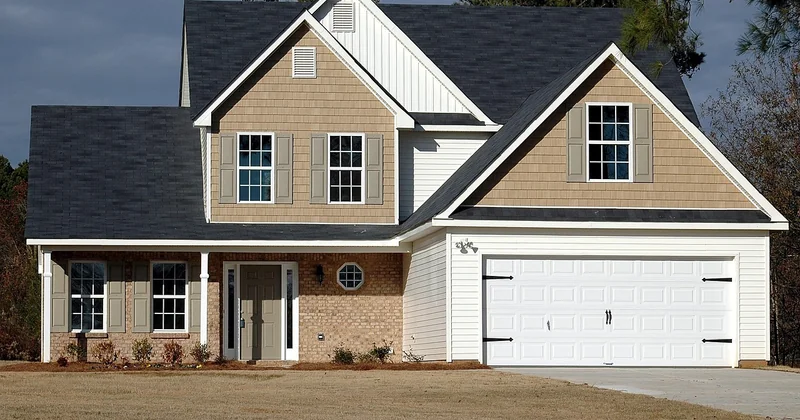
But I want to be honest about the hierarchy. If your price is ten percent above what comparable homes on your street are achieving, no staging on earth will save you. Buyers are not stupid, and the internet has made them ruthlessly well-informed about local prices. Staging makes a fairly priced home sell faster. It does not make an overpriced home sell at all.
Staging while you are still living in the house
This is the version most sellers actually face, and it is harder than the estate-agent brochures suggest. The technique that worked for us was what I called the "one-room retreat": we kept exactly one room — the smallest bedroom — completely unstaged and livable, with the things we actually used day to day, and treated the rest of the house as a set we did not touch.
It meant living out of one room for eleven weeks. It also meant we never had to scramble before a viewing, because the set was always ready. If you have children, this is much harder, and I would not pretend otherwise — the honest advice there is to accept that you will do a fifteen-minute tidy before every showing, and to book viewings in blocks rather than accepting them one by one.
How to stage with almost no money
You do not need a budget to stage a home. You need a van and a weekend. In order of return on effort:
- Remove roughly a third of the furniture from every room. Yes, really — most homes are over-furnished, and empty floor space reads as size.
- Take down every personal photograph and replace them with nothing. Not with generic art. With nothing.
- Clear all kitchen and bathroom surfaces completely.
- Borrow two large plants from a neighbour for the living room and hallway.
- Wash the windows inside and out. This is the cheapest square footage you will ever add.
- Match every light bulb in the house.
What is the hardest month to sell a house?
Late December is the hardest month in most markets, and it is not close. Buyers are distracted, agents are on holiday, daylight is short enough that evening viewings show your home at its worst, and the listings that do go live compete with almost no buyer attention.
August runs a close second in many European markets for the opposite reason: everyone who could be buying is away, and the buyers who remain are often the ones who have already rejected everything on the market.
What this means for staging is that your approach should shift with the season rather than staying fixed. In winter, staging is about light and warmth — lamps on before viewers arrive, a real fire if you have a fireplace, and no trace of the dark months in your photographs. In spring and summer, it moves outdoors: the terrace becomes a room, and a table set for two on a balcony photographs better than almost anything you can do inside.
| Season | Buyer mood | Staging priority |
|---|---|---|
| Spring | Highest volume of active buyers | Garden, terrace, kerb appeal, fresh exterior paint |
| Summer | Slower, holiday season | Shade, cool interiors, outdoor living spaces |
| Autumn | Serious buyers return | Warm lighting, cosy textiles, clean windows for low sun |
| Winter | Thin, distracted | Maximum light, warmth, immaculate entrance |
Does virtual staging work?
Virtual staging — digitally furnishing empty rooms in listing photos — works better than most agents admit, provided you follow one rule. The photograph must be honest about what the room actually contains. If you insert a sofa into an empty room, buyers will arrive expecting a sofa-sized space, which they will get. If you insert a sofa into a room that currently holds a bed and a wardrobe, you are not staging. You are misleading, and buyers walk out.
The thing I would tell you last
We sold for about €6,000 less than our original asking price, in January, after eleven days of work and a basket of our own belongings sitting in the garage. Our neighbour, whose house was almost identical, listed in October and took five months.
The gap between those two outcomes was not the house. It was the gap between what we thought buyers were looking at and what they were actually looking at. And the uncomfortable part, the part I still think about, is that the clutter we removed had been invisible to us for years. We had stopped seeing it. Buyers never do.
Before you spend a single euro on staging, stand in your own doorway and try to see your hallway the way a stranger would — someone who has never smelled your cooking, never seen your children's drawings on the fridge, never learned to step around the shoes. That person is the only audience that matters. And they are already deciding.